VIPS in California during the 1800s
William Henry Pratt
SF Call, November 6, 1911, San Francisco, California, U.S.A.
General William Henry Pratt, warden of the port of San Francisco and one of the oldest pioneers in California, died Saturday night at his home in Easton after an illness of several weeks.
General Pratt arrived in San Francisco from his home in New York February 28, 1849, on the California, the first steamer to enter the Golden Gate. He began mining on the Middle fork of the American River.
He returned to this city at the beginning of the rainy season and sailed for New York to bring back with him a consignment of merchandise. The cargo came safely to San Francisco, but was lost upon its landing in the great fire of 1850.
Undaunted by this misfortune, he took up his residence in Georgetown, where he was again burned out, this time losing all his personal possessions. His business prospered, nevertheless, and he eventually became the owner of the telegraph line between Coloma and Iowa hill, also engaging in banking.
In 1855 he was one of the organizers of the Republican Party in El Dorado County. He was present at Lincoln's inauguration and Lincoln appointed him receiver of the United States land office at Eureka. Governor Stanford appointed him a Lieutenant in the first battalion of California Mountaineers, organized to put down Indian disturbances in the Northern part of the State.
Under the administration of President Grant General Pratt was made agent of the Hoopa Valley Reservation, serving until President Arthur made him collector of customs at Eureka.
He was United States Surveyor General under Harrison and then returned to his mercantile business until made port warden by Governor Gillett in 1908.
General Pratt is survived by his widow who was Miss Caroline Pearson and whom he married at Georgetown in 1855. Also surviving him are seven children - four sons and three daughters - William P. Pratt and Walter H. Pratt of Eureka, *Leland S. Pratt of Sacramento, Charles C. Pratt and Mrs. J.A. Lewandowski of San Francisco, *Mrs. Carrie Manson of Easton and Mrs. E. W. Clapp of Tucson, Arizona.
He was a life member of the Military Order of the Loyal Legion, the Pioneers of California and of Colonel Whipple post, Grand Army of the Republic, of Eureka. He was 84 years old.
*Note: Mrs. Carrie Manson was the widow of Captain Homer Manson Master of the Steamer Humboldt, the Bark Uncle John, and the Schooner Oceania Vance (aboard which he died on August 7, 1897. He was buried at sea.)
Gold Rush Port
The Maritime Archaeology of San Francisco's Waterfront
James P. Delgado



Site Search
Written by noted genealogist and lecturer George G. Morgan. This guide takes you inside the #1 website for family history research. This edition includes chapters on searches at Ancestry, MyCanvas, and Ancestry DNA.
Taming the Elephant:
Politics, Government, and Law in Pioneer California
Marlene Smith-Baranzini, Author;
John F. Burns, Editor


Shanghaiing Days:
The Thrilling Account of 19th Century Hell-Ships, Bucko Mates and Masters, and Dangerous Ports-Of-Call from San Francisco
Richard H. Dillon

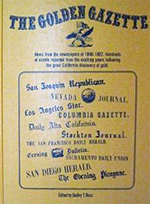
The Golden Gazette:
News From the Newspapers of 1848-1857: Hundreds of Events Reported From The Exciting Years Following the Great California Discovery of Gold
Dudley T. Ross

"The Golden Gazette" is a fabulous collection of news stories for anyone curious about the quirky and sometimes frightening episodes of San Francisco's early days: hangings (including women), fires, fleeing criminals, notes on theatrical stars, ship wrecks, ads for things like "Oriental Tooth Wash," wheat crops shipping out of Martinez and Benicia, sheep prices, etc. His selection will please anyone wandering and exploring California.


Gold in California


The Thrilling Account of 19th Century Hell-Ships, Bucko Mates and Masters, and Dangerous Ports-Of-Call from San Francisco
Richard H. Dillon
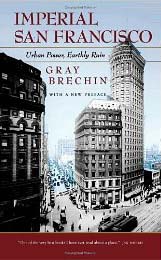
Imperial San Francisco:
Urban Power, Earthly Ruin
(California Studies in
Critical Human Geography)
Gray Brechin

 Copyright ~ 1998-2018.